




What is a Cash ISA?
 Shahi Sattar
A Cash ISA is a special type of savings account where you can earn tax-free interest. Anyone over the age of 18 can open one. They're particularly useful if you've already reached your Lifetime ISA allowance for this year and want to save more, or if you're a higher-rate or additional-rate taxpayer.
Key takeaways
- Tax-free growth: Cash ISAs allow you to earn interest on your savings without paying any tax on the earnings.
- Annual limit: You can deposit up to £20,000 per tax year across all your ISA accounts.
- PSA comparison: ISAs are essential if your interest earnings exceed your Personal Savings Allowance (£1,000 for basic rate, £500 for higher rate).
- Safety: Unlike Stocks & Shares ISAs, your capital is not at risk from market fluctuations, though inflation can impact buying power.
- First-time buyers: A Lifetime ISA (LISA) may be superior for home deposits due to the 25% government bonus.
You can save or invest up to £20,000 into one or more ISAs each tax year. Tax treatment depends on individual circumstances and may be subject to change in the future.
Start saving with Tembo
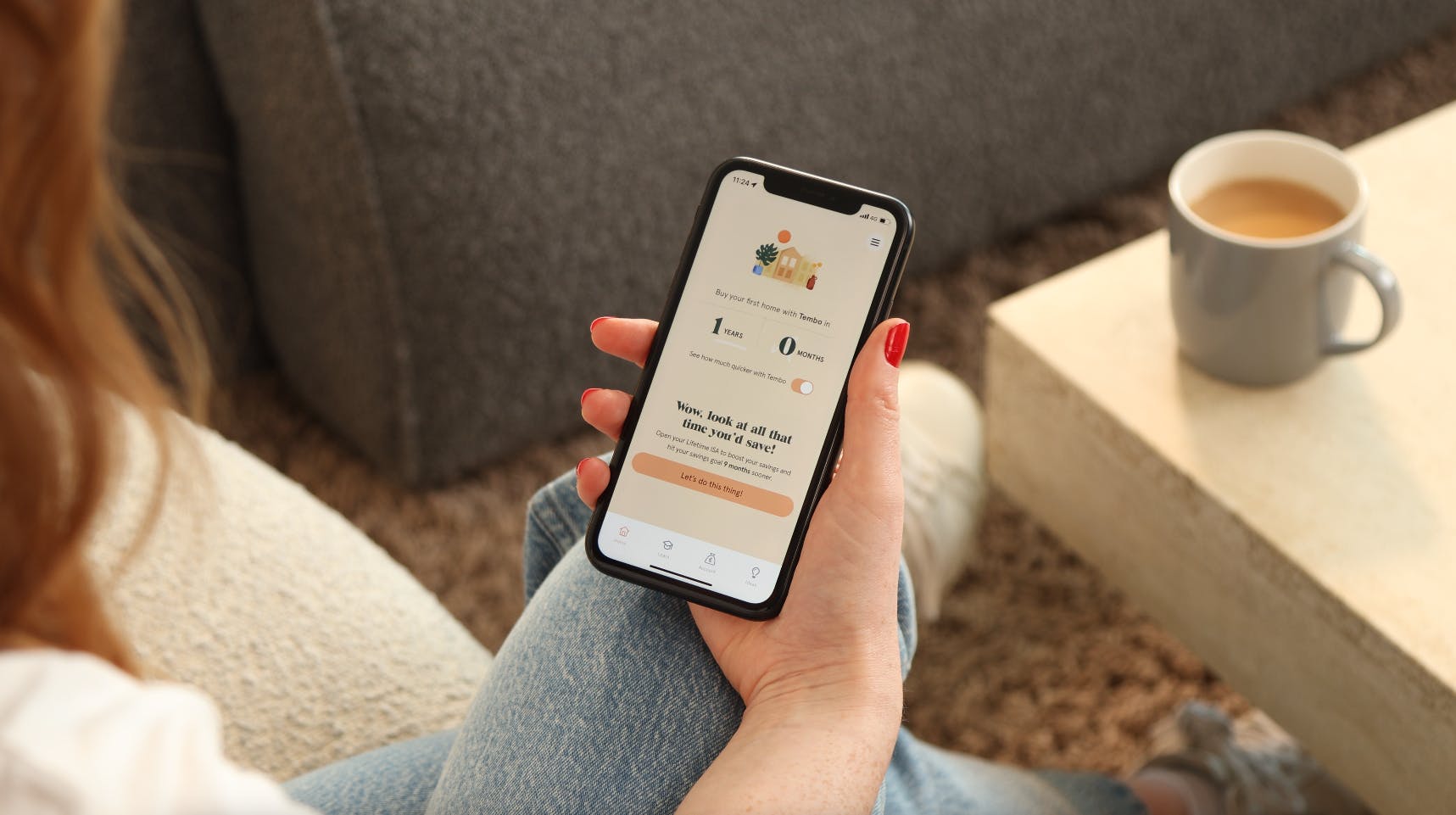
Make the most of your £20,000 tax-free ISA allowance by starting with Tembo. Our award-winning app makes it easy to save and invest towards your future.
How does a Cash ISA work?
A Cash ISA works like a regular savings account, but with one important difference: any interest earned is completely tax-free. ISA stands for Individual Savings Account, and the 'Cash' part simply means the money is held as cash rather than invested in the stock market. If you’re a basic-rate or higher-rate taxpayer, some of the interest earned in a normal savings account will already be tax-free, thanks to the Personal Savings Allowance (PSA). But if the interest earned exceeds that Personal Savings Allowance, anything above the limit will be taxed - unless you an ISA.
What is my Personal Savings Allowance?
Your Personal Savings Allowance (PSA) is a tax-free allowance that lets you earn interest on savings held outside of an ISA without paying any tax.
| Taxpayer rate | Annual income | Tax-free interest allowance (PSA) |
|---|---|---|
Basic Rate | Up to £50,270 | £1,000 |
Higher Rate | £50,271 to £125,140 | £500 |
Additional Rate | Over £125,141 | £0 |
For example, let’s say you were a higher-rate taxpayer and had saved up the average house deposit, which now sits at £53,414 and were earning a competitive interest rate of 3% on your savings. Over a year, you’d earn £1,771.71 per year in interest.
Higher-rate taxpayers only get a Personal Savings Allowance of £500, which means £1,271.71 of the interest you’ve earned could be taxed at your marginal rate, in this case 40%. Over a year, that’s £508.68 per year lost to tax on the interest you’ve earned.
If the same money were in an ISA, you’d keep all your savings interest, as money in ISAs sits within a tax-free wrapper. And with the Tembo Easy Access Cash ISA, your money will earn a competitive interest rate of up to 4.00% AER (variable) too.
Important to know
Your PSA applies to the whole year, not each month, so the first £500 of total interest across the year stays tax-free.
How do I open a Cash ISA?
Opening a Cash ISA is straightforward. To be eligible, a saver needs to be aged 18 or over and a UK resident for tax purposes. Most providers allow customers to open an account online or through a mobile app. Once signed up, money can be deposited into the account straight away. Tax-free interest is then paid into the ISA, normally monthly or annually, depending on your provider.
How much can you put in a Cash ISA?
You can put up to £20,000 into a Cash ISA in the 2026/27 tax year, which runs from 6th April to 5th April. This money can be spread across different types of ISA, including Cash ISAs, Stocks & Shares ISAs, Lifetime ISAs, and Innovative Finance ISAs. The cap on the total amount that can be added across all ISAs each year is known as the ISA allowance. It's worth noting that only the money paid in counts towards the allowance, interest earned doesn't reduce the amount that can be deposited. Any unused ISA allowance can't be carried forward to the next tax year.
Important: Cash ISA rules are changing from April 2027. The government has announced that the annual Cash ISA limit will fall to £12,000 for people under 65. Those aged 65 and over will keep the full £20,000 Cash ISA limit, and the overall ISA allowance will remain at £20,000. So for anyone planning to maximise their Cash ISA contributions, the current tax year could be a good time to act.
How many Cash ISAs can I have?
Savers can have as many Cash ISAs (or other types of ISAs) as they like, as long as they don't exceed the £20,000 ISA allowance in any given tax year. One thing worth knowing: with a standard Cash ISA, withdrawing money doesn't free up that portion of the allowance. For example, if someone deposits £20,000 and then withdraws £5,000, they can't top it back up until the next tax year. However, some providers offer 'flexible' Cash ISAs, which do allow withdrawn funds to be re-deposited within the same tax year without it counting as a new contribution.
For anyone saving a deposit to buy a house, a Lifetime ISA may be a better fit than a regular Cash ISA. You will still earn tax-free interest, but this time your savings will benefit from a 25% boost from the government, which can be put towards a first home or retirement.
Withdrawals from a Lifetime ISA for any purpose other than buying a first home (up to a value of £450,000) or for retirement (60+) incur a 25% government penalty, meaning you may get back less than you paid in.
How Lifetime ISAs work
You can save up to £4,000 each tax year in a LISA, so if you max out your account for 3 years in a row, you’ll receive a £3,000 bonus from the government during this period, bringing your total deposit to £15,000. If you’re able to save more than £4,000 a year, you could put any additional savings in a regular cash ISA. After all, you’ll still have £16,000 of your annual ISA allowance left!
There are two types of Lifetime ISA to choose from: a Cash LISA and a Stocks and Shares LISA. The right LISA for you will depend on your circumstances. If you’re unsure which one to go with, read our guide on Cash Lifetime ISAs vs Stocks and Shares Lifetime ISAs to help you decide.
Keep in mind that a Lifetime ISA has different restrictions and eligibility criteria compared to other ISAs. It's important to understand these before opening a LISA. For example, withdrawals from a Lifetime ISA for any purpose other than buying a first home (up to a value of £450,000) or for retirement incur a 25% government penalty, meaning you may get back less than you paid in. You’ll also need to have your Lifetime ISA open for a year before using it to buy a property, though the clock won’t start ticking until you’ve put at least £1 in.
Get started with Tembo
No matter which one you choose, you can open a LISA quickly and easily with Tembo. And you’ll earn our market-leading 4.00% AER (variable) interest rate, plus fee-free mortgage advice from our award-winning mortgage team when you’re ready to buy.
Can a Cash ISA lose money?
A Cash ISA won't lose money in nominal terms, unlike a Stocks and Shares ISA where the value of investments can rise and fall depending on changes in the stock market. In terms of deposit safety, eligible savings held with a UK-authorised bank, building society or credit union are protected by the Financial Services Compensation Scheme (FSCS), generally up to £120,000 per eligible person, per authorised firm. So the cash itself is secure.
However, if inflation is higher than the ISA’s interest rate, the money you hold in a Cash ISA will lose its buying power. So although you can access your money at any time and may even withdraw more than you deposited (thanks to interest), it might not stretch as far in a few years’ time.
If you’re worried about the money in your Cash ISA losing value over time, it’s important to ensure you’re saving into an account earning a competitive interest rate, or use Fixed Rate ISAs to get a fixed interest rate for a set time period. Find out more here.
A Lifetime ISA may be best if you’re saving for a your first home purchase, since not only will you earn tax-free interest, you’ll also earn a 25% government bonus, which is a unique benefit that makes LISAs particularly attractive for first-time buyers.
Take a look at our Cash ISAs vs Cash Lifetime ISAs guide to learn more.
Which Cash ISA should I choose?
The right Cash ISA will depend on a saver's goals and how soon they plan on using the money. Here's a quick breakdown of the main types:
Easy Access Cash ISA - Ideal for anyone who wants to dip into their savings whenever they need to. There are no lock-in periods, so money can be withdrawn at any time.
Fixed Rate ISA - Typically offers a higher interest rate in exchange for locking money away for an agreed period. The rate is guaranteed for the full term, but accessing cash before it ends usually means paying a fee. This works well if you are unlikely to need the money anytime soon.
Notice Cash ISA - A middle ground between easy access and fixed rate. You’ll need to give a set number of days’ notice (e.g. 30, 60 or 90 days) before withdrawing funds. Accessing money before the notice period is up could result in a fee, but in return, the interest rate tends to be better than an easy access account.
Learn more: Best Cash ISAs in the UK right now
Open a Cash ISA
Tembo’s Cash ISA could help you save towards your goals, with your interest earned tax-free. Open an account in our award-winning app and make the most of this year’s ISA allowance.